
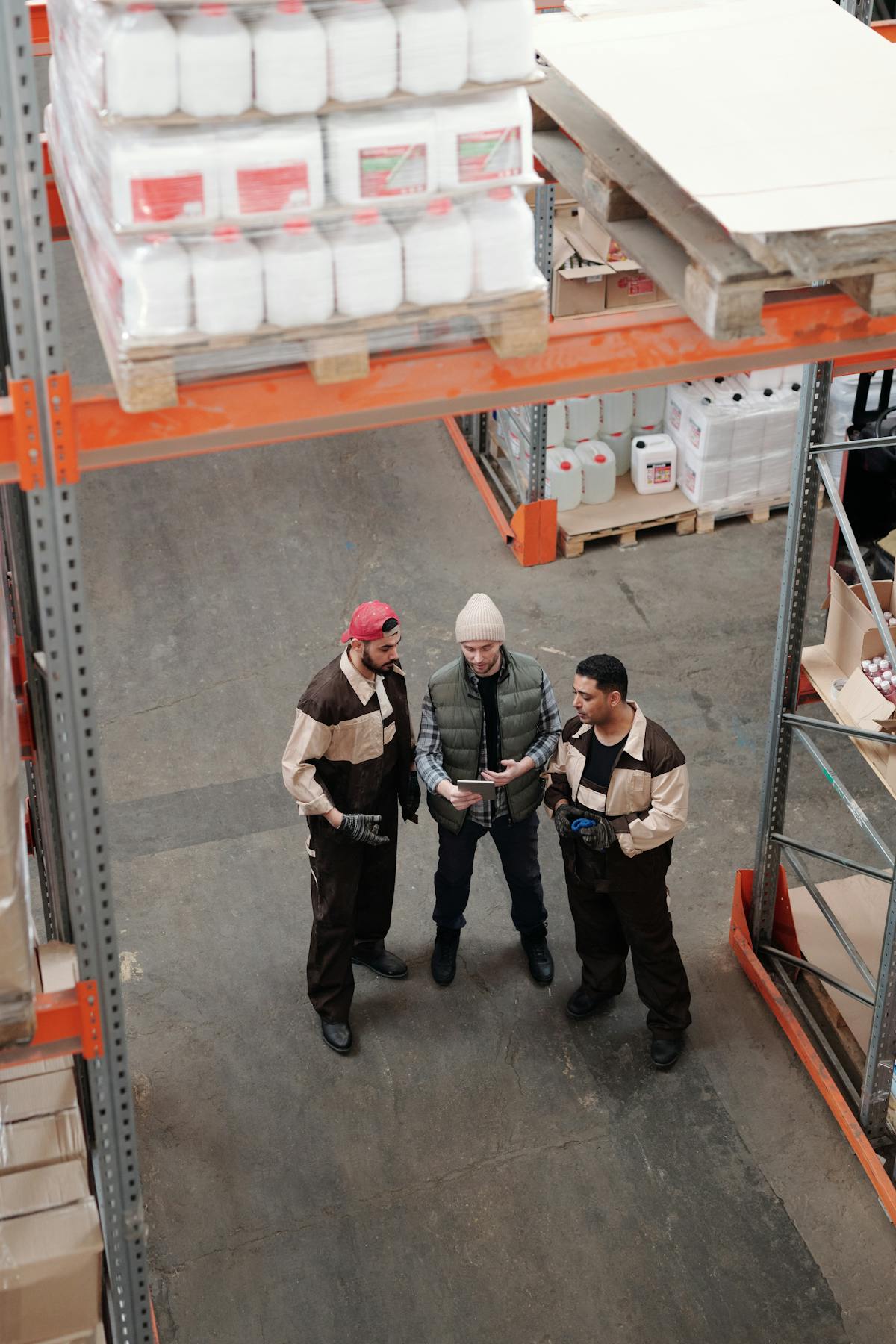
How to Build a Safe and Efficient Equipment Room for Tools, Machines, and Supplies
A well-designed equipment room can make daily work easier, safer, and more organized. Whether you are setting up storage for a workshop, warehouse, school, maintenance team, sports facility, or commercial building, the way you store tools, machines, and supplies has a direct effect on productivity. When an equipment room is messy, overcrowded, or poorly planned, people waste time looking for items, damage becomes more likely, and safety risks increase. When it is built properly, the space supports smoother work, better control, and fewer problems.
The best equipment room is not always the biggest one. It is the one that is planned around real use. A good setup makes it easy to find what you need, put things back in the right place, and keep equipment in good condition. If you want to build a safe and efficient equipment room, the key is to focus on layout, storage, safety, and routine.
Start by understanding what the room needs to hold
Before buying shelves, racks, or cabinets, take a close look at what will actually be stored in the room. Some spaces need to hold hand tools, power tools, spare parts, cleaning products, and small supplies. Others may need room for larger machines, carts, ladders, safety gear, or seasonal equipment.
Group everything by type, size, and how often it is used. Daily-use items should be the easiest to reach. Heavier or larger equipment needs stronger storage and enough open space for safe movement. Fragile, sharp, or hazardous items may need locked cabinets or dedicated safety storage. This first step matters because the best equipment room layout depends on the real contents of the room, not just the size of the space.
Plan the layout for movement and access
A safe equipment room should never feel cramped or confusing. People need enough room to walk, lift, carry, and return items without squeezing through tight gaps or climbing over stored supplies. A clear layout reduces accidents and saves time.
Start with wide, open walkways. Keep the most-used shelves and cabinets easy to access. Put bulky machines where they can be moved in and out without blocking the room. Store heavier items lower down so they are safer to lift. Lighter and less-used items can go on higher shelving.
It also helps to think about workflow. If staff usually collect tools, take supplies, or return machines at certain times of day, the room should support that routine. A good equipment room layout makes movement simple and predictable. People should be able to enter, find what they need, and leave without delay.
Choose storage that matches the equipment
Not all storage works for all items. One of the biggest mistakes people make is using general shelving for everything. A better approach is to match the storage to the contents.
Shelving units work well for boxes, bins, and general supplies. Lockable cabinets are useful for valuable tools, chemicals, and items that need restricted access. Pegboards or wall racks can help organize hand tools so they stay visible and easy to return. Heavy-duty racking is better for bulky equipment or machine parts. Drawers and labeled bins are ideal for small parts, fixings, and accessories.
When choosing storage, durability matters. Equipment rooms often get heavy daily use, so weak shelves or poor-quality cabinets can create risks. Strong, stable storage helps prevent damage and keeps the room safer over time.
Make safety part of the design
Safety should shape every decision in an equipment room. A tidy room is helpful, but a safe room is essential. Poor storage can lead to falling objects, trips, strains, cuts, and fire risks.
Keep walkways clear at all times. Do not stack items in unstable piles or store things on the floor if they can be shelved properly. Anchor tall shelving if needed. Store sharp tools securely. Make sure heavy equipment is easy to lift safely or move with a trolley where appropriate.
Lighting is also important. An equipment room should be bright enough for people to identify tools, read labels, and move around confidently. Poor lighting increases the chance of mistakes and accidents. Ventilation matters too, especially if the room stores fuels, cleaning products, batteries, or items that give off fumes.
If the room contains hazardous materials, include clear warning labels and follow proper storage rules. Fire extinguishers, first aid supplies, and emergency contact information should be easy to locate where relevant.
Label everything clearly
A safe and efficient equipment room depends on people knowing where things belong. Clear labeling makes a huge difference. Shelves, bins, drawers, cabinets, and wall racks should all be marked in a simple and visible way. This helps people find what they need faster and return it to the correct spot.
Labels also reduce overordering and lost items. When stock is organized clearly, it is much easier to see what is running low, what is missing, and what needs replacing. Even a small equipment room works better when everything has a clear home.
For larger spaces, color coding can help. For example, cleaning supplies, maintenance tools, safety equipment, and electrical items can each have their own section and label system. The easier the system is to understand, the more likely people are to follow it.
Keep frequently used items easy to reach
Efficiency often comes down to small details. If people have to bend, stretch, or search every time they need common tools or supplies, the room will slow them down. Keep the most-used items between waist and shoulder height where possible. Put less-used items in higher or lower storage areas.
This simple step saves time and reduces strain. It also lowers the chance that staff will leave equipment out because putting it away feels inconvenient. Good storage should support easy use, not make people work harder.
Build in a maintenance and check routine
Even the best equipment room will become messy if no one maintains it. That is why routine matters. Create a simple system for checking stock, cleaning the room, inspecting storage, and returning misplaced items. Broken tools, damaged shelves, empty supply bins, and clutter should be dealt with early.
A regular check helps keep the room safe and keeps equipment in better condition. It also makes it easier to spot missing items, reduce waste, and plan replacements before problems build up.
A better equipment room supports better work
Building a safe and efficient equipment room is really about making daily work easier and more reliable. When tools, machines, and supplies are stored properly, people work faster, equipment lasts longer, and the space becomes easier to manage. A good equipment room improves organization, reduces risk, and helps everyone stay more productive.
The best results come from thoughtful planning, clear storage, strong safety habits, and regular upkeep. When those elements come together, the equipment room becomes more than a storage area. It becomes a practical part of a smoother, safer operation.