
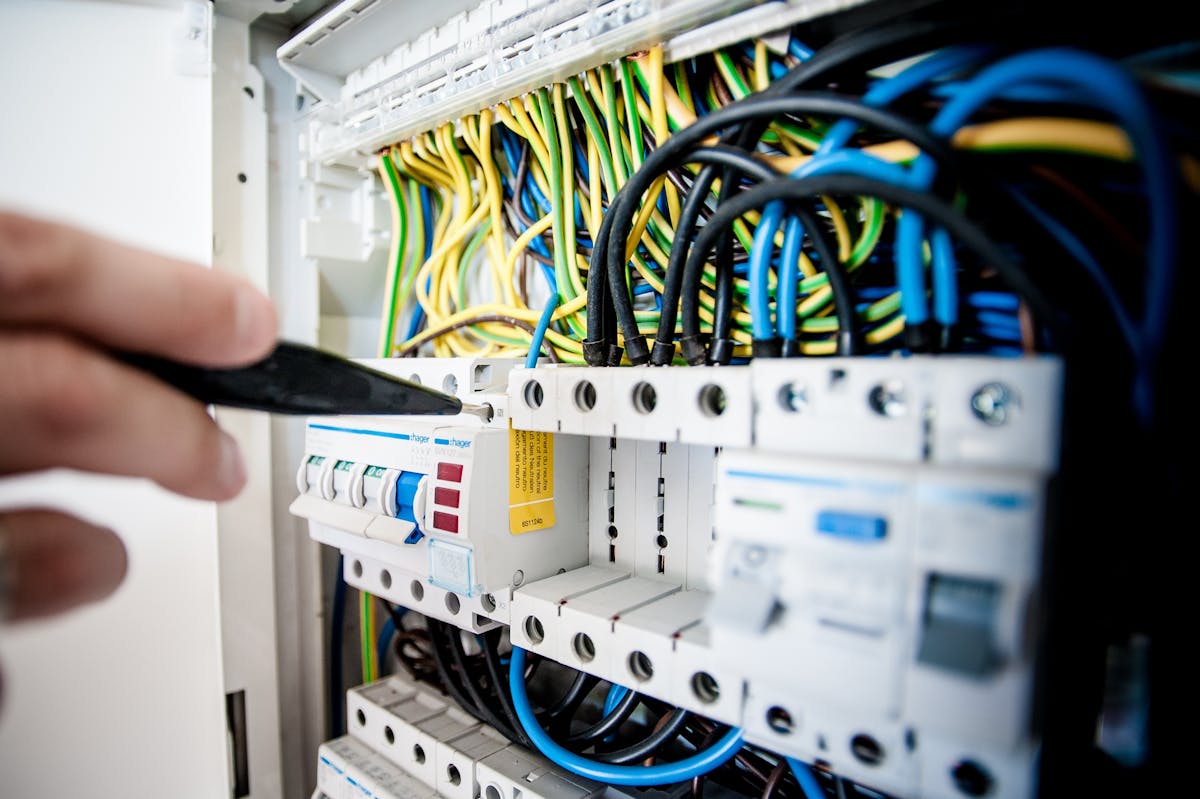
How to Choose Reliable Electrical Equipment for Safe and Efficient Daily Operations
Choosing reliable electrical equipment is one of the smartest decisions any business or property owner can make. Whether you run a workshop, office, warehouse, retail unit, restaurant, or industrial site, the electrical equipment you use every day affects safety, performance, and running costs. When equipment is reliable, work flows better, downtime stays low, and staff can do their jobs with confidence. When it is poor quality, outdated, or not suited to the task, problems can build quickly. You may deal with overheating, power loss, damaged devices, higher energy use, or even serious safety risks.
The good news is that choosing the right electrical equipment does not have to be complicated. The key is to focus on safety, quality, suitability, and long-term value rather than price alone. A cheap option may look appealing at first, but if it fails early or creates hazards, it can cost much more in the long run.
Start by understanding your daily electrical needs
Before buying any electrical equipment, it helps to look closely at how it will be used. Different workplaces and properties have different demands. A small office may need reliable extension leads, power strips, monitors, chargers, and backup power solutions. A workshop or warehouse may need heavy-duty cables, industrial plugs, lighting, testing tools, and equipment that can handle more demanding conditions. A restaurant or commercial kitchen may need appliances and electrical systems that can cope with long operating hours and regular cleaning.
Think about what the equipment needs to do every day. Will it be used occasionally or constantly? Will it stay in one place or be moved around? Does it need to handle high loads, damp conditions, dust, or heat? These basic questions matter because the best electrical equipment is the equipment that matches the real environment where it will be used.
Put safety first, not just price
Safety should always be the first priority when choosing electrical equipment. Reliable electrical equipment should reduce risk, not add to it. Poorly made plugs, damaged cables, overloaded adapters, and cheap extension leads can all become serious hazards. Even small items can cause problems if they are not built properly or used outside their limits.
Look for equipment that feels solid, well made, and suitable for the electrical load it will carry. Avoid buying purely on price, especially for items that will be used every day. In many cases, the cheapest option is cheap because it cuts corners on materials, durability, or protection. A better-quality product usually gives you safer operation and a longer working life.
It is also important to choose equipment that includes the right protective features where needed. That may include surge protection, proper insulation, overload protection, weather resistance, or sealed fittings depending on the environment.
Make sure the equipment suits the environment
Electrical equipment that works perfectly in one setting may be a poor choice in another. This is why the working environment matters so much. In a clean office, standard equipment may be enough. In a workshop, warehouse, garage, or outdoor area, you may need much tougher protection.
For example, if the equipment will be exposed to dust, moisture, grease, or changing temperatures, it should be built for those conditions. If it will be used outdoors, it needs weather-resistant protection. If it will be moved regularly, durability becomes even more important because cables, casings, and connectors face more wear.
Choosing equipment that suits the environment helps prevent breakdowns and keeps daily operations safer. It also means you are less likely to replace items early because they were never right for the setting in the first place.
Check quality, build, and reliability
Reliable electrical equipment usually shows its quality in simple ways. The casing should feel strong. Connections should fit properly. Switches should work smoothly. Cables should be thick enough for the job and not feel weak or flimsy. Good design often makes equipment easier to use and safer over time.
Brand reputation can help, but the real focus should be on build quality and suitability. Reliable products tend to last longer, perform more consistently, and create fewer interruptions during the working day. That matters in daily operations because even small electrical issues can slow teams down, interrupt service, or stop production.
If the equipment is essential to the business, reliability matters even more. A failed charger, lighting unit, power supply, or testing device may sound minor, but if it affects the team’s ability to work, it quickly becomes a bigger problem.
Think about energy efficiency and operating cost
Choosing reliable electrical equipment is not only about safety. It is also about efficiency. Equipment that runs well and uses power wisely can help reduce electricity costs over time. In busy operations, those savings can add up.
Energy-efficient lighting, appliances, power supplies, and control systems can all make daily operations more cost-effective. Even if the upfront price is slightly higher, better efficiency often means lower running costs and better long-term value. This is especially important for equipment that stays on for long hours or is used every day.
A reliable product should not only work safely. It should also support smoother and more efficient use of energy across the business.
Do not ignore maintenance and inspection
Even the best electrical equipment needs proper care. When choosing equipment, it is worth thinking about how easy it will be to inspect, clean, and maintain. Items that are difficult to check or repair can become a problem later.
Daily-use electrical equipment should be looked over regularly for loose plugs, damaged cables, cracked casings, overheating, or unusual performance. If an item shows signs of wear, it should be repaired or replaced quickly. Reliable equipment lasts longer, but no equipment should be assumed safe forever without checks.
Buying quality products from the start makes maintenance easier because they tend to stay in good condition for longer and are less likely to fail without warning.
Choose for long-term value
A smart buying decision looks beyond the day of purchase. Reliable electrical equipment supports safe and efficient daily operations because it helps reduce downtime, improve performance, and lower risk. It also gives staff more confidence in the tools and systems they depend on.
When comparing products, think about value rather than just cost. Ask whether the equipment is safe, durable, suitable for the environment, easy to maintain, and likely to perform well over time. A slightly higher upfront spend often leads to fewer faults, fewer replacements, and less disruption.
Reliable electrical equipment is an important part of safe and efficient daily operations. It supports productivity, helps prevent hazards, and reduces the chances of breakdowns that interrupt work. By focusing on safety, quality, suitability, and long-term value, you can make better choices that protect both your people and your operations. In the long run, the right electrical equipment is not just a purchase. It is a practical investment in safer and smoother everyday performance.